- About Us
- Courses
Cosmetic Courses for Health Care Professionals
- Course Packages (Professional Qualifications)
- Aesthetics Courses
- Intermediate / Advanced Cosmetic Courses
- Online Self-Paced Courses
- Coaching For Confidence
- Private Training
- Accredited Courses
- Workshops & Masterclasses
Courses for Other Professionals
- Online Self-Paced Courses
- Private Training
- First Aid Courses
Course Packages (Professional Qualifications)
- Fundamentals in Cosmetic Injectables
- Fundamentals in Cosmetic Dermal Practice
- Advanced Aesthetic Practitioner
Fundamental Cosmetic Courses
- Advanced Skin Science
- Platelet-Rich Plasma (PRP) Course
- Mesotherapy Course
- Fundamentals in Neurotoxins
- Fundamentals in Dermal Filler
Intermediate/Advanced Cosmetic Courses
- Intermediate Neurotoxin and Dermal Filler Injectables Course
- Advanced Neurotoxin Injectables Course
- Introduction to Cannula (Dermal Filler) Injectables Course
- PDO Mono Thread Course
Online Self-Paced Courses
- Identifying & Managing Dermal Filler Adverse Events & Complications
- Hyaluronidaise in Aesthetic Practice & Vascular Occulsion
- Platelet-Rich Plasma (PRP)
- Mesotherapy
- Business of Beauty
- Dermaplaning
- Nutrient Therapies in the Aesthetic Setting
Accredited Courses
- First Aid Courses
Online Self-Paced Courses
- Dermaplaning
- Business of Beauty
- Nutrient Therapies

- CANSAT Psychological Tool
- Models
- Workshops and Masterclasses
Workshops and Events
- Information Sessions
- Events
- Cadaver Workshops
- Contact Us
- About Us
- Courses
Cosmetic Courses for Health Care Professionals
- Course Packages (Professional Qualifications)
- Aesthetics Courses
- Intermediate / Advanced Cosmetic Courses
- Online Self-Paced Courses
- Coaching For Confidence
- Private Training
- Accredited Courses
- Workshops & Masterclasses
Courses for Other Professionals
- Online Self-Paced Courses
- Private Training
- First Aid Courses
Course Packages (Professional Qualifications)
- Fundamentals in Cosmetic Injectables
- Fundamentals in Cosmetic Dermal Practice
- Advanced Aesthetic Practitioner
Fundamental Cosmetic Courses
- Advanced Skin Science
- Platelet-Rich Plasma (PRP) Course
- Mesotherapy Course
- Fundamentals in Neurotoxins
- Fundamentals in Dermal Filler
Intermediate/Advanced Cosmetic Courses
- Intermediate Neurotoxin and Dermal Filler Injectables Course
- Advanced Neurotoxin Injectables Course
- Introduction to Cannula (Dermal Filler) Injectables Course
- PDO Mono Thread Course
Online Self-Paced Courses
- Identifying & Managing Dermal Filler Adverse Events & Complications
- Hyaluronidaise in Aesthetic Practice & Vascular Occulsion
- Platelet-Rich Plasma (PRP)
- Mesotherapy
- Business of Beauty
- Dermaplaning
- Nutrient Therapies in the Aesthetic Setting
Accredited Courses
- First Aid Courses
Online Self-Paced Courses
- Dermaplaning
- Business of Beauty
- Nutrient Therapies
- CANSAT Psychological Tool
- Models
- Workshops and Masterclasses
Workshops and Events
- Information Sessions
- Events
- Cadaver Workshops
- Contact Us
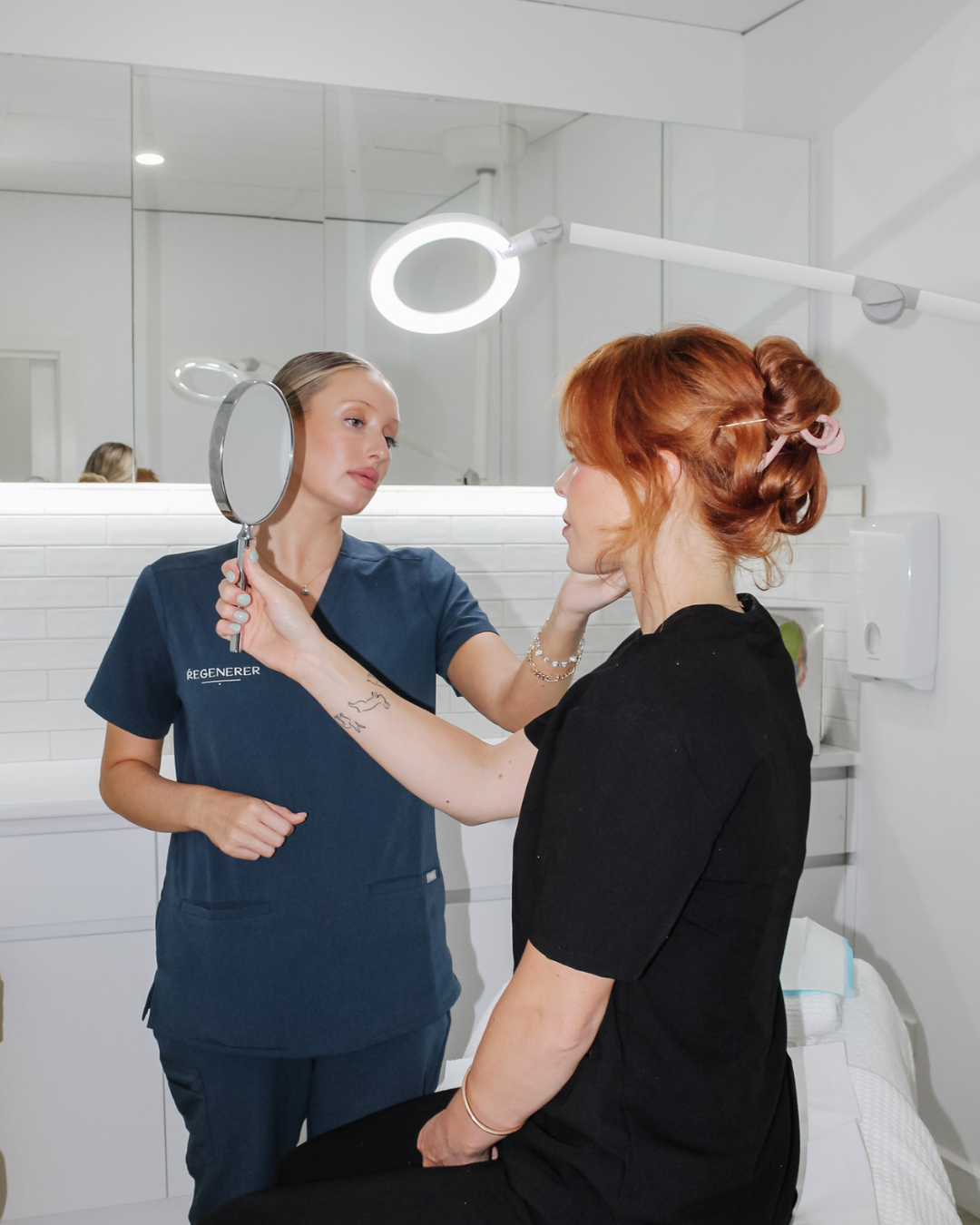
Elevate Your Aesthetic Practice with Our Coaching Clinic!
At CPD Institute of Australia, our Coaching Clinic offers a unique opportunity for Doctors, Nurses, and Dentists to refine and consolidate their skills in aesthetic practice. Tailored to meet your specific learning needs, this one-on-one coaching session is designed to enhance your expertise and ensure you are at the forefront of the industry.
Coaching Clinic is perfect for professionals who already have a foundation in cosmetic injectables, having received training with us. We focus on refining your technique, offering hands-on experience with live models.
Training Session Options:
Single Session
1 Model x 45-Minute
Session
$300 (Incl. GST)
Half Day
4 hours (AM or PM)
Up to 4 Models (45-
Minute Sessions Each)
$800 (incl. GST)
Full Day
7.5 hours (09:00 – 17:00)
Up to 8 Models (45-Minute Sessions Each)
$1,600 (incl. GST)
Training Session Options:
These prices apply to training sessions held at the CPD Institute of Australia (Melbourne)
Pre-requisite: Evidence of training in cosmetic injectables with CPD Institute of Australia.
Note: Students must supply their own model/s (one per session). Consultation and product fees apply
Coaching/Training for Regional VIC & Interstate
If you’d prefer not to travel to us, we can arrange for one of our trainers to visit your clinic and provide coaching. For more information, please click here to view Private Training.
Why Choose Us?
Our expert trainers provide hands-on learning in small group sizes, ensuring personalized attention. You’ll also have valuable networking opportunities and access to ongoing support as you enhance your skills and advance your career in aesthetic medicine.
Enrol Here
What You’ll Gain
By completing the Nutrient Therapies in the Aesthetic Setting course, you’ll gain a deep understanding of how nutrient therapies can enhance skin health, longevity, and aesthetic outcomes. You’ll learn the science behind the gut-skin, gut-brain, and mitochondrial health connections, and how these impact various skin conditions. The course covers evidence-based injectable nutrients, such as B-vitamins and Vitamin C, and teaches you how to integrate nutritional interventions into your treatments. You’ll also learn how to create personalized nutrition programs for your clients, boosting patient satisfaction, retention, and results while expanding your service offerings and passive income potential.
Payment Plans Available
Whether it’s Zip or NOWFinance to help you get started, we can help! We offer CPD Institute students with a simple and affordable finance option for their courses. Click here for more information.
Still Have Questions?
What Our Students Say
“After years in general practice, pursuing my Cosmetic Nurse Injector training at CPD was such a great start to a new career path. The staff are all incredibly knowledgeable, and their clinical expertise and approachability left me feeling confident and well-equipped in my own practice. The ongoing support from CPD is invaluable also.”
Additonal Pathways
Further consolidate your skills with optional one-to-one clinical training or explore pathways to join the Aesthetic Practitioner Platform


Recommended
Courses For You


Enrol Now and
Transform Your
Career
Ready to take the next step in your aesthetic career? Explore our flexible payment plans and secure your spot in this industry-leading course today.
Contact Information
How to get in touch with us.
Phone Number
Email Address
Menu
Menu